
Cape Verde Watchdog to Track Campaign Promises in Local Elections
PRAIA, Cape Verde — As Cape Verde prepares for local elections on December 1, a prominent civil society organization is stepping up to ensure that campaign rhetoric translates into actual governance. The Cape Verdean Civil Society Forum (Forum-CV) announced on Thursday that it will create a formal registry of every promise made by candidates across the nation’s 22 municipalities.
Accountability Beyond the Ballot Box
The initiative aims to bridge the gap between election season vows and the reality of the 2024–2028 governing mandate. According to a manifesto released by the group, Forum-CV will monitor and update this registry over the next four years to verify whether winning candidates honor their commitments.
“The registry will allow for the monitoring of the actions of those elected,” the organization stated, emphasizing its role as a watchdog and a partner in finding solutions for municipal challenges. Forum-CV is calling on all candidates to sign onto the measures, positioning civil society as a critical agent of vigilance.
Urgent Needs: Housing and Ethics
Beyond simple monitoring, the Forum’s manifesto outlines several key policy demands for the incoming local leaders. Top among these is the urgent need for “decent housing,” particularly for low-income citizens. The group pointed to the rise of clandestine constructions in urban centers as clear evidence of the current housing crisis.
The organization is also advocating for broader systemic changes, including:
- Participatory Budgeting: Ensuring residents have a direct say in how municipal funds are spent.
- Municipal Codes of Conduct: Implementing strict standards for public cleanliness and the preservation of communal spaces.
A Shift in the Political Landscape
The lead-up to the December vote has been marked by a noticeable shift in political competition. Data from the National Elections Commission (CNE) shows a significant drop in independent candidacies. This year, only 10 groups are competing (five political parties and five citizen movements), compared to 16 four years ago.
Maria do Rosário Pereira, president of the CNE, expressed concern over this trend, noting it represents a “decrease in the electoral competitiveness that citizens need to make choices.” She warned that strengthening the democratic fabric must be a permanent effort to avoid political setbacks.
The Stakes
Approximately 352,000 registered voters will head to the polls. The political landscape is currently dominated by the Movement for Democracy (MpD), which holds 14 municipalities, while the African Party for the Independence of Cape Verde (PAICV) controls eight. With half of the nation’s voters concentrated in just three municipalities—Praia, São Vicente, and Santa Catarina—the competition for these urban hubs will be the focal point of the upcoming election cycle.
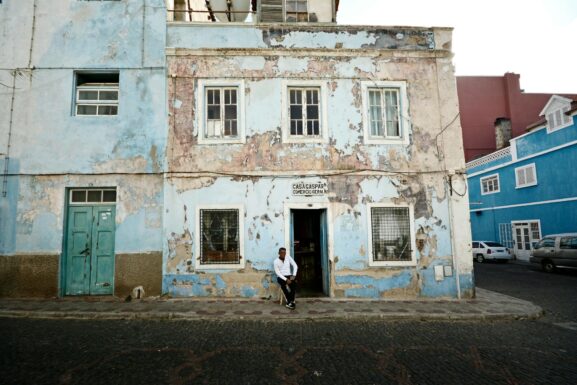
Image: Pexels – Sora Shimazaki